
 Alex is the real spark behind this effort, and his dedication is such that he ceased publishing his own excellent St. Louis Urban Workshop to provide steady content for a new hub site. Last year, Alex sent out a call to bloggers for creating a portal into the ever-expanding sea of online content on development and architecture in the region. This blogger was too time-strapped to join the cause, but Toby and others have helped Alex bring the project to life. Bravo!
Showing posts with label media. Show all posts
Showing posts with label media. Show all posts
Friday, April 9, 2010
A Hub is Born: UrbanSTL
With today's publication of Toby Weiss' excellent essay "Crying Over Spilt Milk: The Suburbs Happened, Get Over It!", urbanSTL now has become the web hub for St. Louis region built environment news and commentary. Okay, this guest article goes along with regular blogging by Alex Ihnen, a blog aggregate feed, a rejuvenated Urban St. Louis Forum, a local urban Wiki, videos and many other features. The weaving, not the strands, make urbanSTL a central source.
 Alex is the real spark behind this effort, and his dedication is such that he ceased publishing his own excellent St. Louis Urban Workshop to provide steady content for a new hub site. Last year, Alex sent out a call to bloggers for creating a portal into the ever-expanding sea of online content on development and architecture in the region. This blogger was too time-strapped to join the cause, but Toby and others have helped Alex bring the project to life. Bravo!
Alex is the real spark behind this effort, and his dedication is such that he ceased publishing his own excellent St. Louis Urban Workshop to provide steady content for a new hub site. Last year, Alex sent out a call to bloggers for creating a portal into the ever-expanding sea of online content on development and architecture in the region. This blogger was too time-strapped to join the cause, but Toby and others have helped Alex bring the project to life. Bravo!


Friday, January 22, 2010
Untitled Saint Louis Brick Film
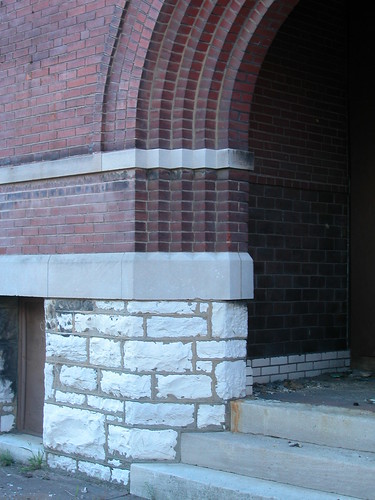
Bill Streeter, the video genius behind Lo-Fi St. Louis, is working on a documentary about St. Louis brick known for now as the "Untitled Saint Louis Brick Film". The documentary is funded by the Commission for Access and Local Original Programming (CALOP), local funder of many worthwhile projects. According to the production notes blog, the crew includes Bill Streeter (Director/Producer/Editor), Jeannette Hoss (Managing Producer), Virginia Lee Hunter (Director of Photography) and Greer Lange (Assistant Editor).
Monday, October 26, 2009
Preservation and Online Media
Preservation Ohio, the statewide advocacy organization serving the Buckeye State, is the most-followed state preservation group on Twitter. I have been following Preservation Ohio's media efforts for the past month, and am amazed at the innovation in and consistency of its efforts. In fact, on Friday, October 23, Preservation Ohio hosted a live blog on "Preservation and Social Media." Hopefully other Midwestern preservation groups tuned in for some much-needed training.
According to the organization's website, the premise was simple and familiar to preservationists across the country: "Ohio’s preservation community suffers from a lack of cohesion and from multiple groups working in ways that waste resources and produce a disjointed message."
Here's what Preservation Ohio has done to combat that problem in the past year:
* Launched The Ohio Preservation Network, America’s first social network designed exclusively for statewide preservation and revitalization. Through the site, Ohioans can now easily share preservation news, stories, events, opportunities and enthusiasm, and gain access to key resources.
* Forged new ground in the use of online social networking to build a strong, cohesive community for preservation, and to provide public relations opportunities for our members and affiliate communities.
* Hosted the most-followed organizational Twitter page of any statewide preservation organization in the country. Each month, our stories and links are now re-posted, and our stories are clicked, over 1,000 times. We continue to build a strong presence on Facebook, Flickr, LinkedIn, YouTube and other forms of social media.
* We continue to publish America’s first and oldest self-authored statewide preservation blog, MyHometownOhio, which celebrated its third anniversary this summer.
* Worked with statewide and regional preservation organizations in other parts of the country to share best practices and tips on social media.
* Hosted National Preservation Conference Twitter Central, the only location online for access to all Twitter entries from the 2009 Nashville Conference, including photos and videos.
While most of effective preservation advocacy happens offline, and some constituents are missed by social media, Preservation Ohio's work demonstrates a welcome openness. Meeting people where they are is key to successful preservation outreach, and online media are key to meeting a wide spectrum of the public, especially younger people often under-engaged by preservation groups. Alongside traditional outreach, Preservation Ohio's online media strategy has made it into the most visible Midwestern preservation organization. Will others follow?
According to the organization's website, the premise was simple and familiar to preservationists across the country: "Ohio’s preservation community suffers from a lack of cohesion and from multiple groups working in ways that waste resources and produce a disjointed message."
Here's what Preservation Ohio has done to combat that problem in the past year:
* Launched The Ohio Preservation Network, America’s first social network designed exclusively for statewide preservation and revitalization. Through the site, Ohioans can now easily share preservation news, stories, events, opportunities and enthusiasm, and gain access to key resources.
* Forged new ground in the use of online social networking to build a strong, cohesive community for preservation, and to provide public relations opportunities for our members and affiliate communities.
* Hosted the most-followed organizational Twitter page of any statewide preservation organization in the country. Each month, our stories and links are now re-posted, and our stories are clicked, over 1,000 times. We continue to build a strong presence on Facebook, Flickr, LinkedIn, YouTube and other forms of social media.
* We continue to publish America’s first and oldest self-authored statewide preservation blog, MyHometownOhio, which celebrated its third anniversary this summer.
* Worked with statewide and regional preservation organizations in other parts of the country to share best practices and tips on social media.
* Hosted National Preservation Conference Twitter Central, the only location online for access to all Twitter entries from the 2009 Nashville Conference, including photos and videos.
While most of effective preservation advocacy happens offline, and some constituents are missed by social media, Preservation Ohio's work demonstrates a welcome openness. Meeting people where they are is key to successful preservation outreach, and online media are key to meeting a wide spectrum of the public, especially younger people often under-engaged by preservation groups. Alongside traditional outreach, Preservation Ohio's online media strategy has made it into the most visible Midwestern preservation organization. Will others follow?
Monday, October 12, 2009
Topic A Tonight
Tonight, I will be a guest on KDHX's Topic A program. Host Amanda Doyle will interview me on a range of topics, including new federal preservation legislation, a St. Louis museum project located in Illinois and, of course, the status of the NorthSide project.
Readers should already be tuned into to Topic A this month because it's Built Environment Month on the program. Last week's guest was Sarah Susanka, author of the Not So Big House series of books; listen online here.
Topic A broadcasts each Monday at 7:30 p.m. on KDHX, 88.1 FM.
Readers should already be tuned into to Topic A this month because it's Built Environment Month on the program. Last week's guest was Sarah Susanka, author of the Not So Big House series of books; listen online here.
Topic A broadcasts each Monday at 7:30 p.m. on KDHX, 88.1 FM.
Tuesday, July 14, 2009
NorthSide Discussions
McEagle Properties made an unprecedented and commendable move for a developer: the company launched an interactive discussion board for its "NorthSide" project. The idea was that rather than hear rumors about the project, citizens could get their questions and concerns answered directly and publicly by the developer.
As someone who complained for years that McEagle was avoiding all public engagement, I was pleased. Of course, not everyone concerned about the project spends time online, but many of the most vocal critics do. The discussion board is at least a start at dialogue.
However, so far the discussion board has generated a scant 12 posts, and questions and comments directed at McEagle going back to July 7 have been left unanswered by McEagle.
Meanwhile, the discussion board of the newly-organized North Side Community Benefits Alliance has been home of much discussion among many different people. There have been 56 posts, and the threads read like conversations.
Of course, most conversation is happening offline -- at City Hall, block parties, neighborhood meetings, non-profit board meetings and even at the neighborhood saloon. McEagle has certainly generated a lot of discussion, but little of it has turned up online.
As someone who complained for years that McEagle was avoiding all public engagement, I was pleased. Of course, not everyone concerned about the project spends time online, but many of the most vocal critics do. The discussion board is at least a start at dialogue.
However, so far the discussion board has generated a scant 12 posts, and questions and comments directed at McEagle going back to July 7 have been left unanswered by McEagle.
Meanwhile, the discussion board of the newly-organized North Side Community Benefits Alliance has been home of much discussion among many different people. There have been 56 posts, and the threads read like conversations.
Of course, most conversation is happening offline -- at City Hall, block parties, neighborhood meetings, non-profit board meetings and even at the neighborhood saloon. McEagle has certainly generated a lot of discussion, but little of it has turned up online.
Monday, June 29, 2009
Sunday, June 21, 2009
McEagle North Side Project in the News
Local:
Developer Paul McKee pushes city, state officials to grab stimulus funds - Bill Lambrecht, St. Louis Post-Dispatch, June 21.
And national:
The New Neighborhood - Miriam Moynihan, The Architect's Newspaper, June 18.
Developer Paul McKee pushes city, state officials to grab stimulus funds - Bill Lambrecht, St. Louis Post-Dispatch, June 21.
And national:
The New Neighborhood - Miriam Moynihan, The Architect's Newspaper, June 18.
Sunday, May 24, 2009
Eat Your Future
One of the greatest scenes in David Byrne's film True Stories is the dinner scene in which Spalding Gray's character illustrates his jobs-centered development using the food from the meal. Thanks to Keith Marquand for drawing the connection between this scene and current events.
Friday, May 22, 2009
NorthSide Media
I am not surprised that one of the first things to come out of last night's public meeting on the McEagle NorthSide project is a new blog on the project. Rick Bonasch was at the meeting and took it on himself to launch NorthSide Blog for citizen discussion of the project. This probably won't be the last. Paul J. McKee, Jr. promises that a YouTube video and interactive website sponsored by McEagle are in the works for the next few weeks. Certainly others who attended the meeting will take to and create new media to broadcast their thoughts and concerns. The more discussion, the better!
Wednesday, May 13, 2009
Thursday, May 7, 2009
St. Louis Chapter of the Society of Architectural Historians Unveils Website
Courtesy of Michelle Kodner, the St. Louis Chapter of the Society of Architectural Historians has a lovely new website. One of the best features of the site is that most chapter newsletters back to Fall 2004 are fully published in PDF format.
Those familiar with the plethora of online content on St. Louis architecture may not be familiar with the chapter's outstanding newsletter of original research, edited by Esley Hamilton. Read through some of the newsletters and you'll see why I look forward to seeing the newsletter in the mail every quarter. Chapter membership includes a newsletter subscription and is an astounding $10 a year!
Those familiar with the plethora of online content on St. Louis architecture may not be familiar with the chapter's outstanding newsletter of original research, edited by Esley Hamilton. Read through some of the newsletters and you'll see why I look forward to seeing the newsletter in the mail every quarter. Chapter membership includes a newsletter subscription and is an astounding $10 a year!
Saturday, April 18, 2009
San Luis: This Was the Future
In early March, I received a call from Jeff Vines. He was part of a team that entered a documentary film competition, and they had been fortunate enough to draw "history" for their topic. You know what that meant -- a chance to celebrate the DeVille Motor Hotel! Jeff's team included familiar faces -- his brother Randy, filmmaker Carson Minow, editor Jon Swegle and musician Brian Wiegert. Toby Weiss and I were interview subjects for what turned out to be a smart, cool little film. Check it out!
Wednesday, December 31, 2008
Historic Preservation Should Be Part of St. Louis Public Schools Facilities Plan
KWMU aired my latest commentary today, on my birthday: Historic Preservation Should Be Part of St. Louis Public Schools Facilities Plan
Thursday, December 11, 2008
Historic Schools Given Short Shrift in Facilities Management Planning
Over at the Post-Dispatch Eddie Roth has posted a blog entry on the short shrift that historic schools are getting in the current St. Louis Public Schools facilities management planning process. Roth quotes at length an e-mail that I sent him outlining what's wrong with the approach being taken by the district and its consultants, MGT of America.
Friday, October 10, 2008
St. Louis' Market Recovery Starts With Historic Buildings
My latest commentary for radio station KWMU, "St. Louis' Market Recovery Starts With Historic Buildings," aired today. An audio file and extended script are online here.
Tuesday, September 9, 2008
"Urban Explorers: Into the Darkness" Screens Thursday
Ever wonder what it's like to prowl an abandoned asylum in the night? What you'll find in the darkest corners of Paris' catacombs? Who is sleeping in an abandoned, moldy "house of the future" on a Florida roadside?
Urban Explorers: Into the Darkness follows people who have sought answers to these questions. One of the best things about the film is that rather than make itself about places that are featured in two hundred photos on Flickr, the director hits at a more elusive aspect of urban exploration: the personalities and motivations of those who self-identify as explorers. The film is more of an inquiry into the handful of explorers profiled, and includes great interviews and some laugh-out-load hijinks.
The film screens at 7pm Thursday, September 11 at the Winifred Moore Auditorium at Webster University, 470 E. Lockwood Avenue in Webster Groves.
Thomas Crone has an interview with directory Melody Gilbert here.
Urban Explorers: Into the Darkness follows people who have sought answers to these questions. One of the best things about the film is that rather than make itself about places that are featured in two hundred photos on Flickr, the director hits at a more elusive aspect of urban exploration: the personalities and motivations of those who self-identify as explorers. The film is more of an inquiry into the handful of explorers profiled, and includes great interviews and some laugh-out-load hijinks.
The film screens at 7pm Thursday, September 11 at the Winifred Moore Auditorium at Webster University, 470 E. Lockwood Avenue in Webster Groves.
Thomas Crone has an interview with directory Melody Gilbert here.
Friday, August 22, 2008
Cherokee Street Chronicles
Lindsey Scott and Jason Deem sent out news that there are two new websites chronicling the vibrant life of Cherokee Street, the city's most diverse and lively neighborhood commercial district:
Cherokee Street News, a blog.
Cherokee Street Photos, already featuring hundreds of photographs, including historic images.
Cherokee Street News, a blog.
Cherokee Street Photos, already featuring hundreds of photographs, including historic images.
Monday, July 28, 2008
Post-Dispatch Publishes Special Section on Historic Preservation
Yesterday's St. Louis Post-Dispatch included a special Entertainment section on historic preservation written by Diane Toroian Keaggy and David Bonetti. The section includes lists of buildings most worth preserving selected by experts like Larry Giles and Kate Shea as well as an article about the "underground" documentation efforts of myself and others. Read it all here.
Friday, July 18, 2008
Post-Dispatch Editorializes on Arch Grounds
The St. Louis Post-Dispatch today editorializes on the discussion about the Arch grounds in an oddly-named article entitled "Top Shelf." What's most interesting is that alongside the Danforth plans the editorial discusses the merit of Rick Bonasch's plan for remaking Memorial Drive, with nods to Steve Patterson and myself (at least in the online version). Once more, grassroots urbanism trickles up. Usually, the ideas get the nod without their source named.
The best part about the editorial is that while welcoming Danforth's leadership it also calls for inclusion of different vision: "In short, there’s still time for sharp thinkers and innovative ideas. But they must get into the process. And they should be welcomed."
We must be doing something right.
The best part about the editorial is that while welcoming Danforth's leadership it also calls for inclusion of different vision: "In short, there’s still time for sharp thinkers and innovative ideas. But they must get into the process. And they should be welcomed."
We must be doing something right.
Monday, June 30, 2008
Healthy and Active Blogging
The staff of Trailnet's Healthy and Active Communities Initiative have been blogging away for the last two years. Not reading their work? You should be. The blog provides fresh and insightful information you don't get in many urban issues blogs -- writings about the history of food prices, developments in biodiesel, the problems with the abundance of corn in our diets and so forth. Just as autocentric urban planning is very unhealthy, so is an economic system that keeps nutritious foods off of the shelves of inner city groceries. Trailnet's staff keep pointing out how these two problems are related, and how the future of every urban area depends on more than just bricks and mortar.
Subscribe to:
Posts (Atom)


 Posts
Posts

