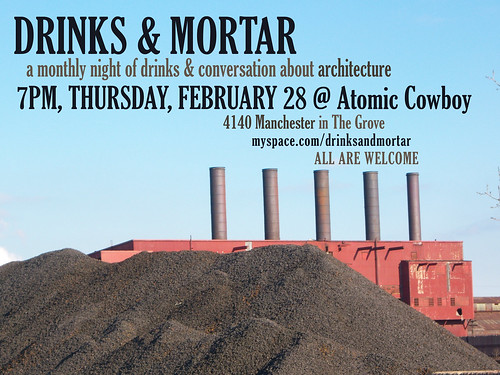
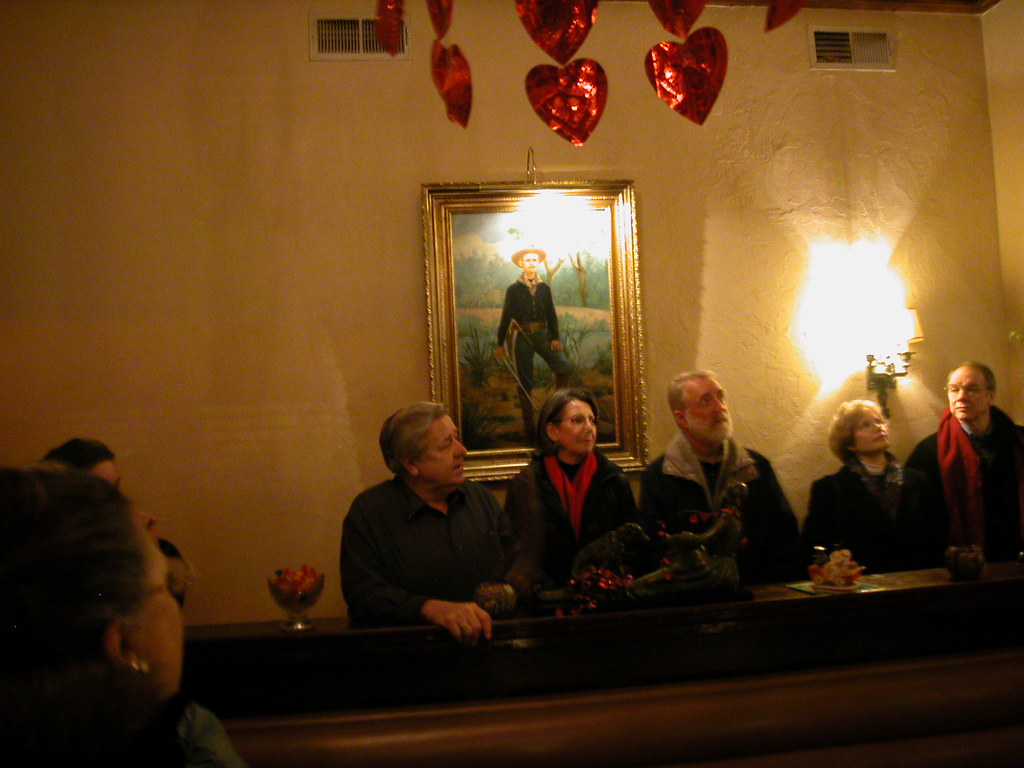
Tonight. Atomic Cowboy. 7PM 'til they stop talking.

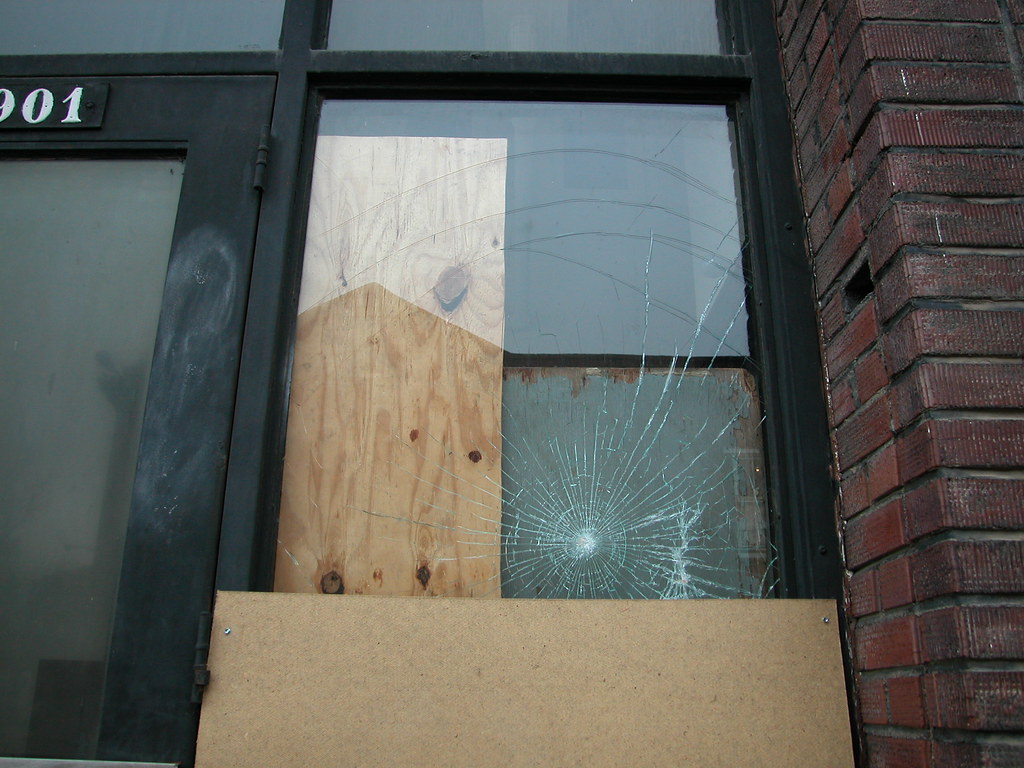 Here is the entrance to the Fourth Baptist Church at 13th and Sullivan in Old North St. Louis. You can see that someone has broken the window at right, and that someone has very poorly attempted to board over the damage. Hint: If the broken area still shows, you haven't boarded over the damage.
 Streamlined and sleek, sophisticated and subtle – these are attributes of the Doctors Building at the northeast corner or Euclid and West Pine. The Modern Movement medical office building has offered a hint of space age glamor to the Central West End for nearly fifty years. Nestled among elegant Renaissance Revival apartment buildings, art deco storefronts and minimalist contemporary condominium buildings, the modernist tower provided just the right balance to the mix of jazz age architecture. Think of the Doctors Building as a minor bop number in a sea of buildings that span a range of jazz period from ragtime to tonal. The Doctors Building is that smooth, modern breakthrough that plays back to its predecessors without upstaging them and that teaches its successors a thing or two.
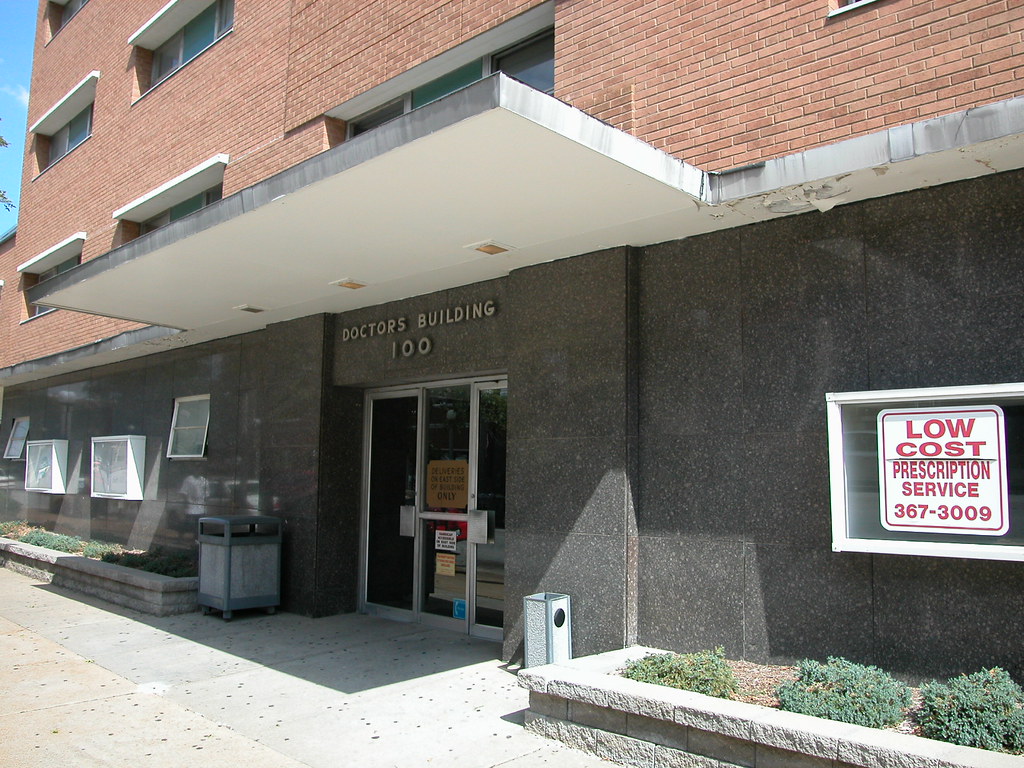

 With the huge parking lot, the Doctors Building site proved irresistible to developers during the recent hyperactive swing in the market. The Mills Group proposed demolishing the elegant building and replacing it with twin 30-story towers of ridiculous bulk and exaggerated detail. Jazz would have been replaced with buildings that reminded me of overwrought sappy love ballads. Then the market downturn set in and the project fell apart. Unfortunately, another plan emerged – demolish the building and replace it with a shorter new building. The new building is best left without description -- its designers' strained attempts at referencing historic details like quoins and a clock tower would only be remarkable if not already tried on thousands of suburban branch banks around the country. Alas, we lose the Doctors Building for something that doesn't even forge a relationship with the Central West End. Sophistication falls to smugness. A minor pleasure gives way to a minor travesty. Hopefully the jazzy architecture around the new building will be enough to drown out the intrusion.

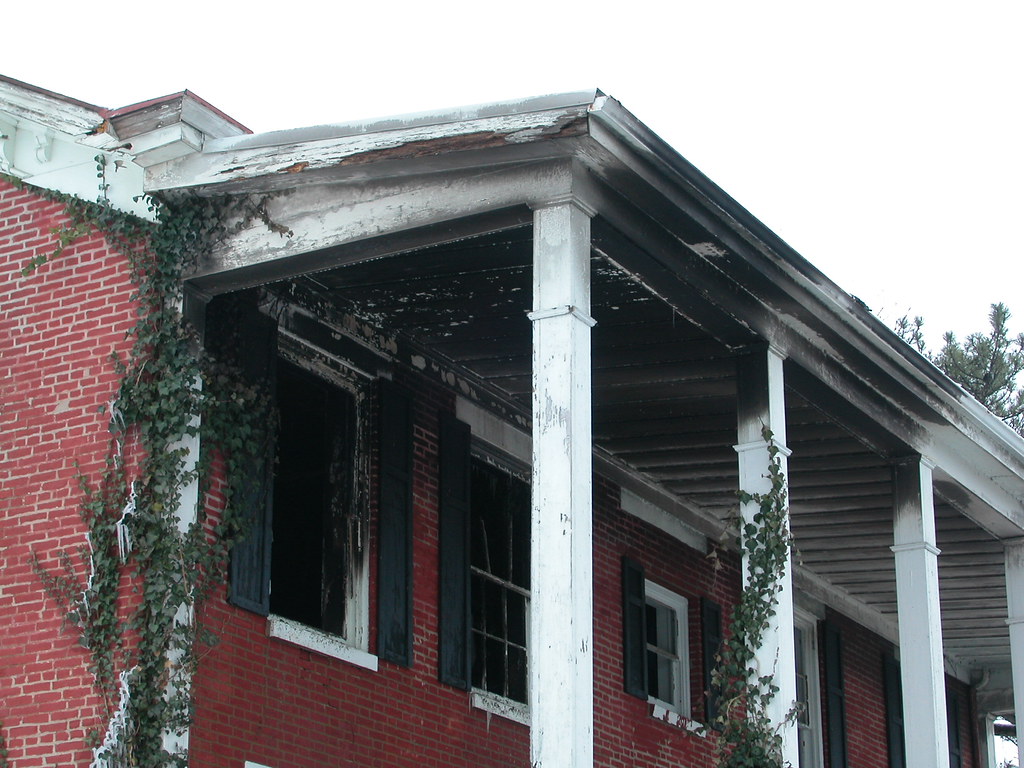

 Photograph by Lynn Josse.




 Marty Luepker recounts the rehabilitation of the Feasting Fox.
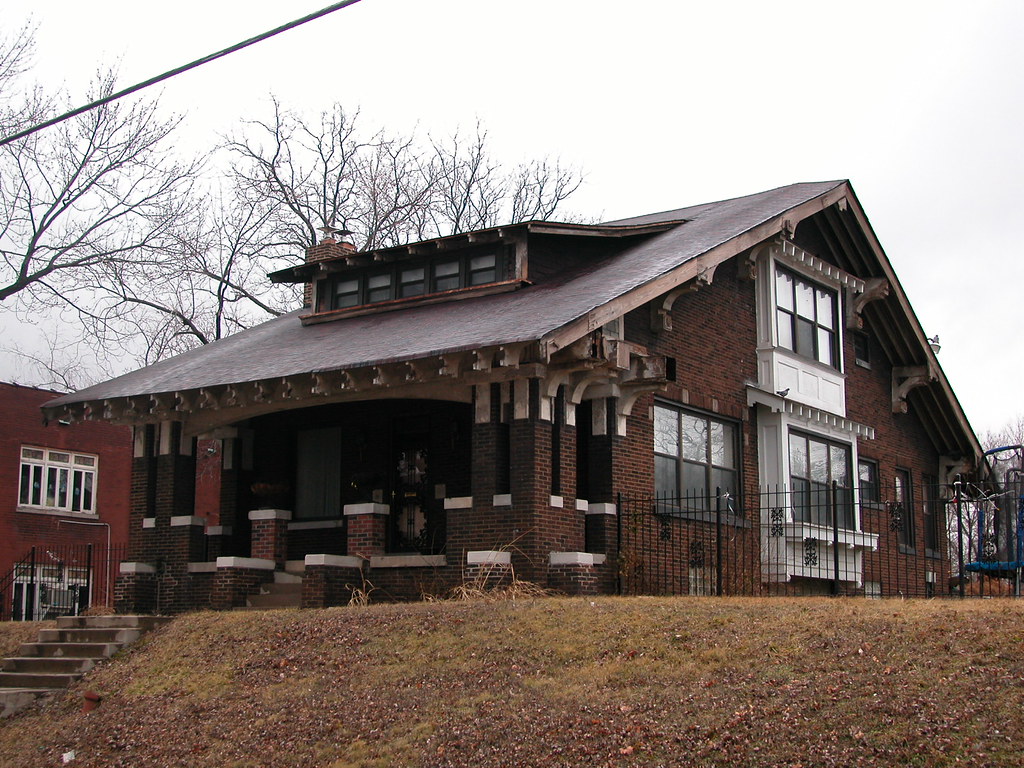


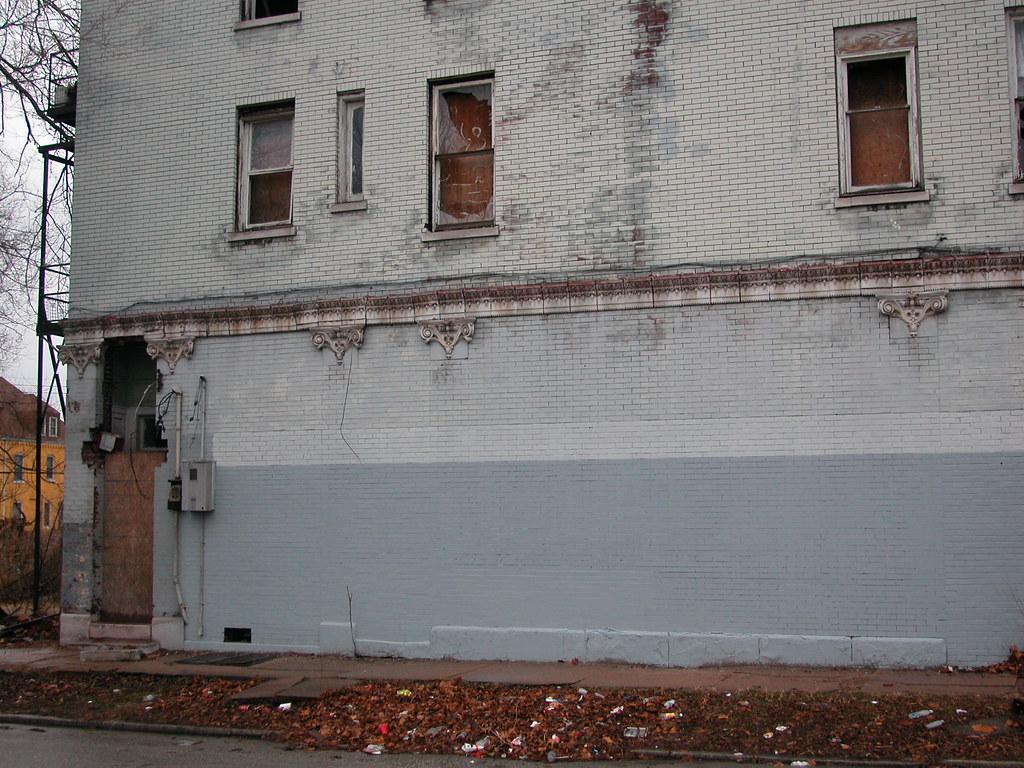
 The Academy neighborhood (and the Mount Cabanne-Raymond Place National Historic District that encompasses much of the neighborhood) needs its commercial edges to remain strong. Delmar on the south has become a lost cause, but Page retains many corner commercial buildings like this one and the one at 5286-98 Page, which bookend rows of historic residences. With its proximity to the Central West End and its largely intact building stock, this area is bound to be an emergent rehabbing neighborhood. We need to keep the neighborhood's buildings around for the new day ahead.
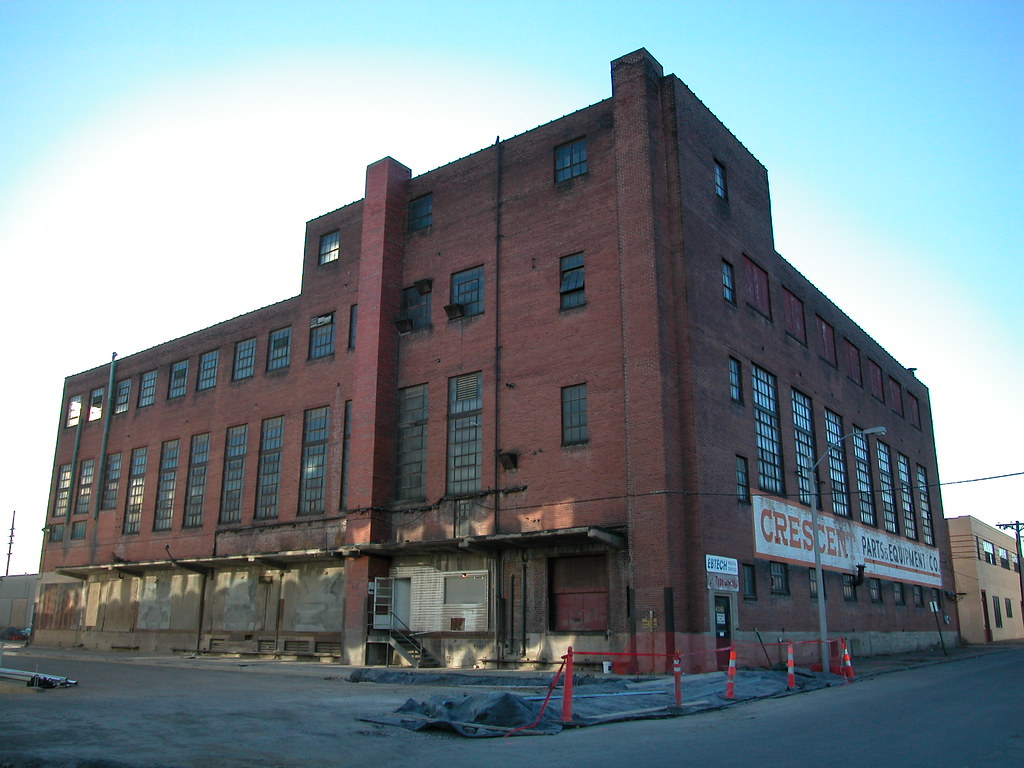 Washington University recently purchased this building, located at 4340 Duncan Avenue in the central corridor. The university's master plan for the Medical Center calls for demolition as part of the CORTEX redevelopment project. Although unadorned, and perhaps a bit sepulchral, the brick industrial building possesses several unique architectural features. Built in 1936 for a printing company, the building is the work of the noted firm Mauran, Russell and Crowell. The firm employed its characteristic genius here. While the concrete-framed fireproof building appears as a four story building, the second and third floors are actually a second floor and mezzanine. This arrangement allowed for production using machinery with overhead components on the second floor and distribution on the first floor, with loading bays lining the east wall (see the photo above). The floor arrangement allowed for the building to have a smaller footprint, saving room and creating a more urban form. The mezzanine arrangement is reflected in tall exterior windows that call to mind the same firm's earlier Federal Reserve Bank Building (1924) at Broadway and Locust downtown.
 Sometimes I wonder if the mid-twentieth century practice of adding storefront sections to the front of historic homes is a St. Louis phenomenon. Certainly, we have many interesting examples here on major east-west streets like Delmar, Natural Bridge, Cherokee and Forest Park. These are symptoms of explosive population growth and changing land uses.

 Posts
All Comments
Posts
All Comments


